Why location tracking matters
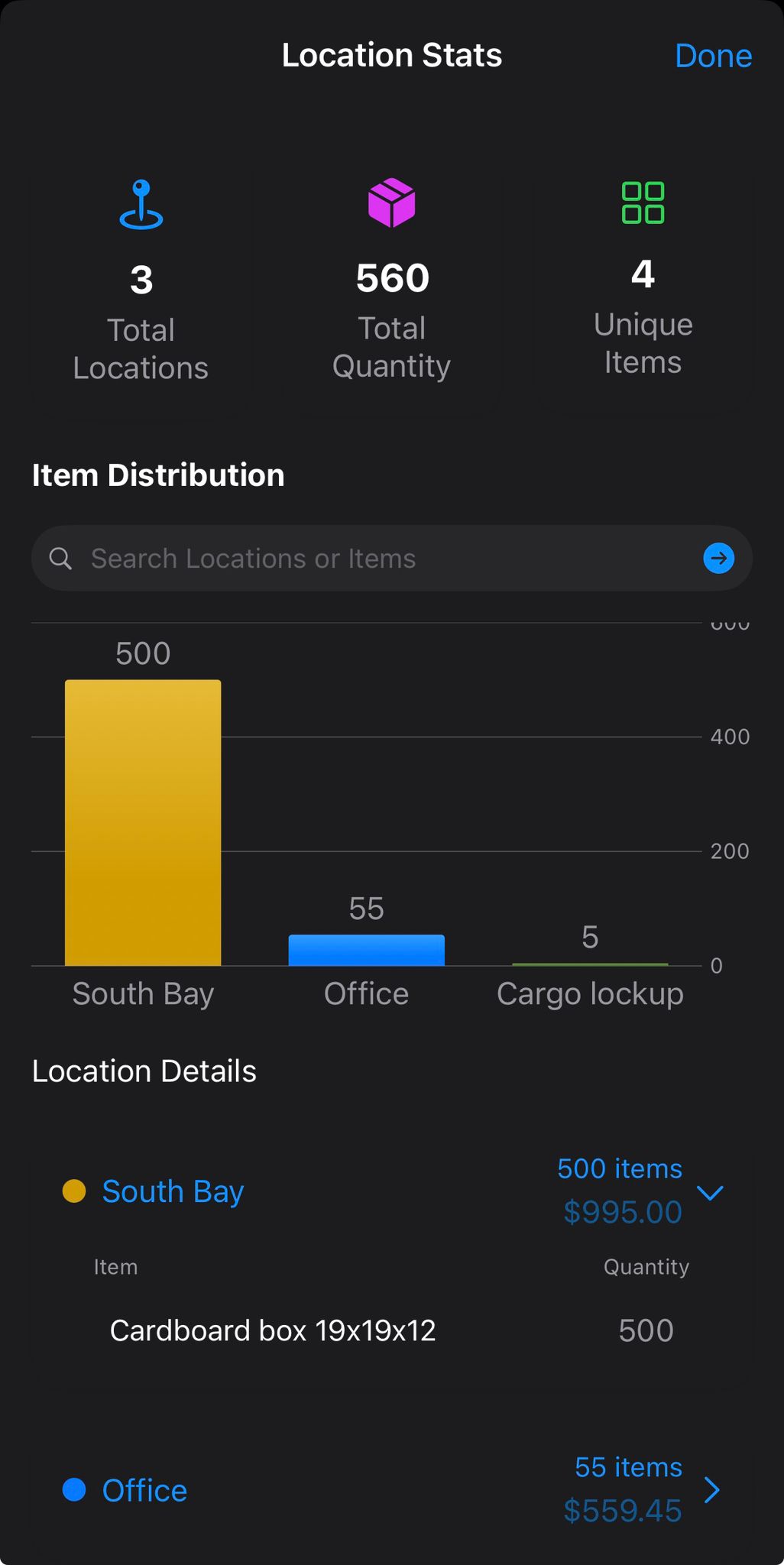
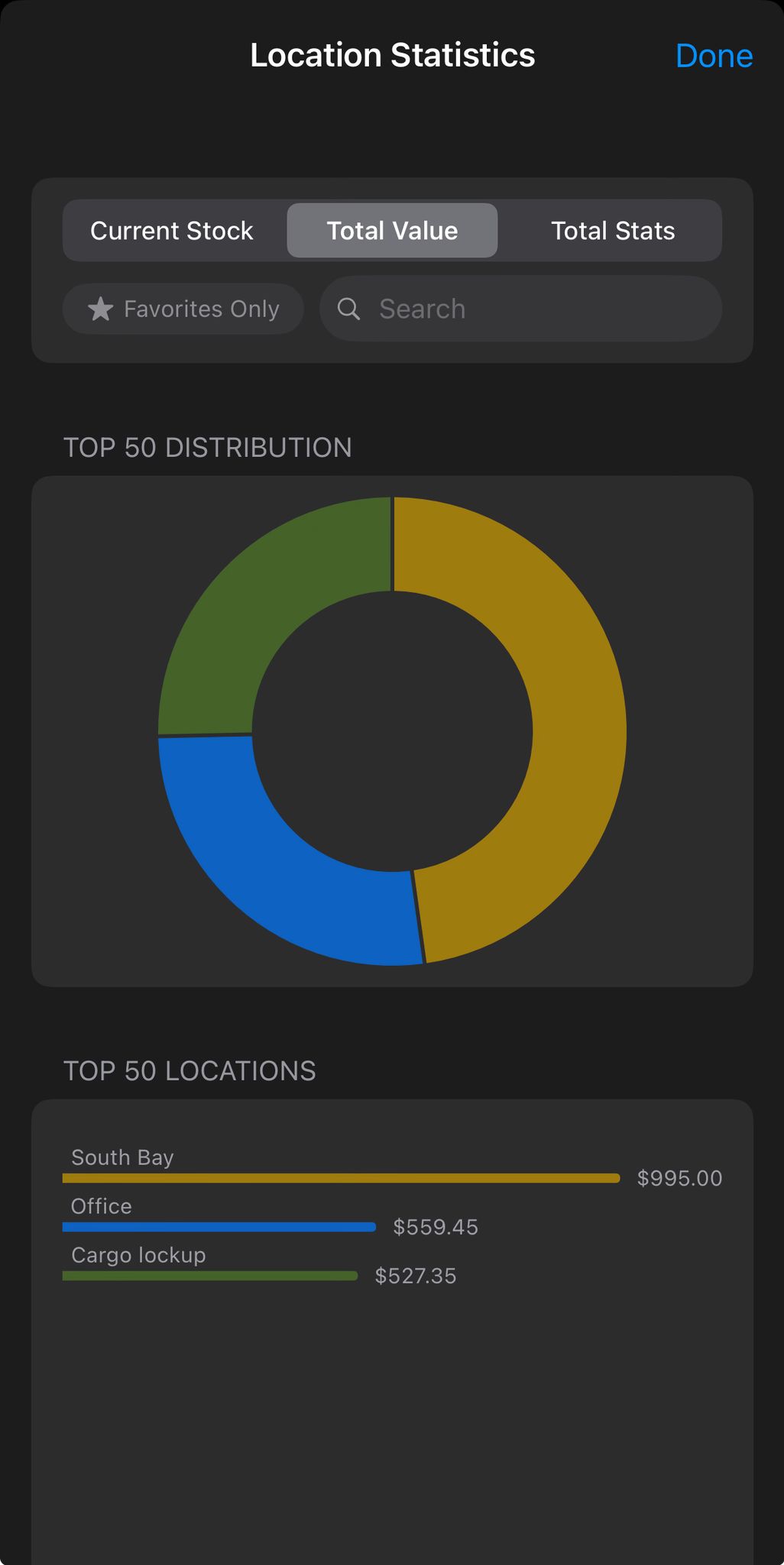
Inventory records become unreliable when every item is counted as if it lives in one place. Location-based tracking helps teams know what is available at each site and prevents confusion during stock checks.
Use StockM8 to separate inventory across warehouses, stores, stockrooms, or vehicles without losing visibility of the bigger picture.
Inventory records become unreliable when every item is counted as if it lives in one place. Location-based tracking helps teams know what is available at each site and prevents confusion during stock checks.
When locations are separated properly, transfers, reorder decisions, and loss investigation all become easier to manage.
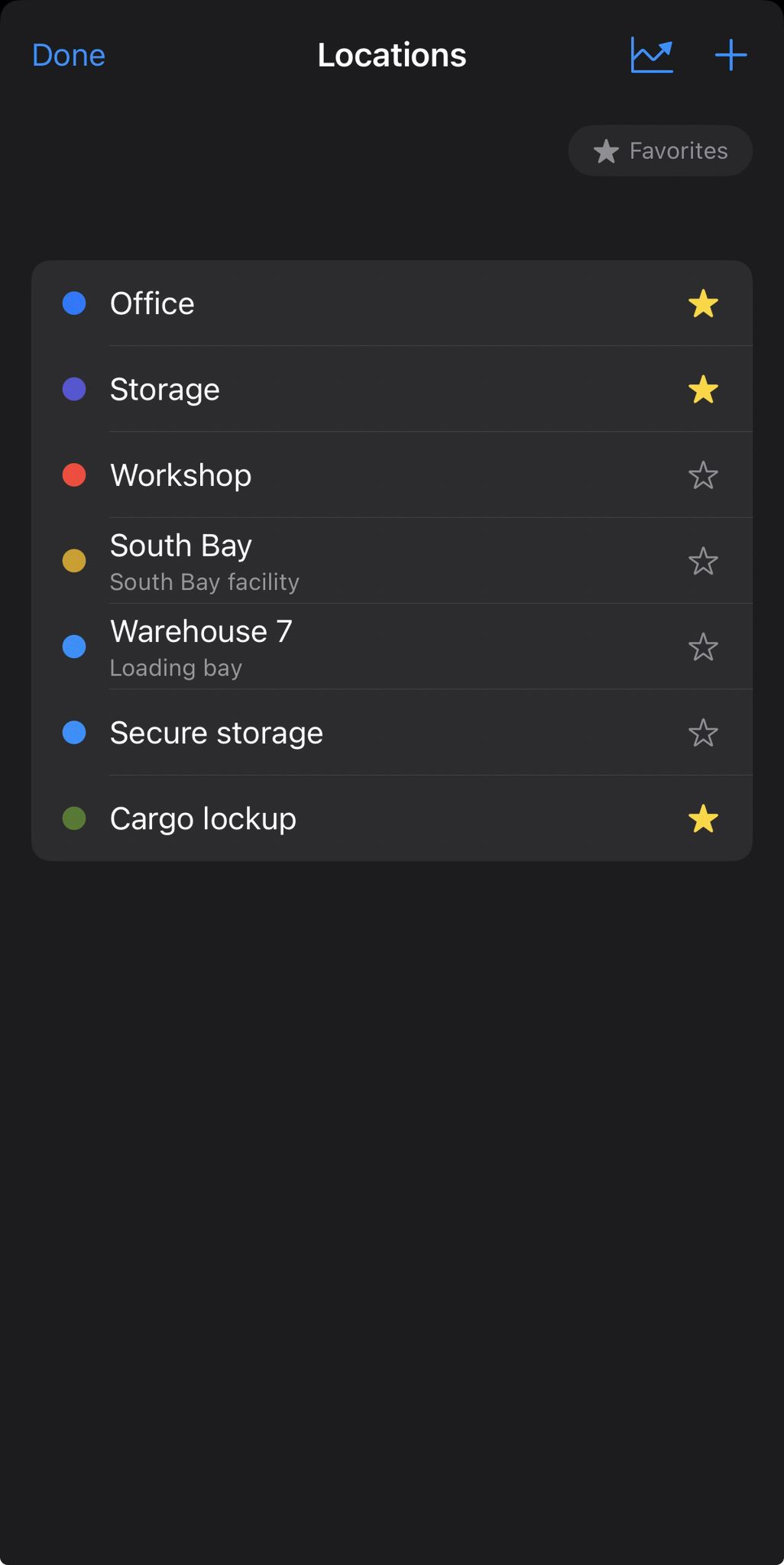
A business may start by creating a small set of locations such as "Shop Floor", "Back Room", "Van 1", and "Warehouse". Items can then be assigned and updated against those locations instead of being treated as one shared quantity. That allows staff to answer practical questions such as whether stock is available for immediate sale, whether it is stored off-site, or whether it is already allocated to a vehicle.
Smaller businesses often need location control but do not want the overhead of a full enterprise warehouse management system. This kind of workflow is useful when teams want simple visibility from a phone or tablet while keeping the process understandable for everyday users.
No. Multi-location tracking is often most helpful for small businesses with just two or three places where stock can be stored.
Yes. A location can represent any storage context that matters operationally, including rooms, vans, booths, or temporary event stock.
One total hides where stock actually is. That can lead to slow picking, mistaken availability, and poor reorder decisions.
Return to the feature pages or review the support section if you have workflow questions.
Useful for teams that keep stock in more than one place and need clearer visibility.
Download free Download StockM8
Free on the App Store
Download StockM8
Free on the App Store